
Preserving Family Stories Through Memorials After Cremation
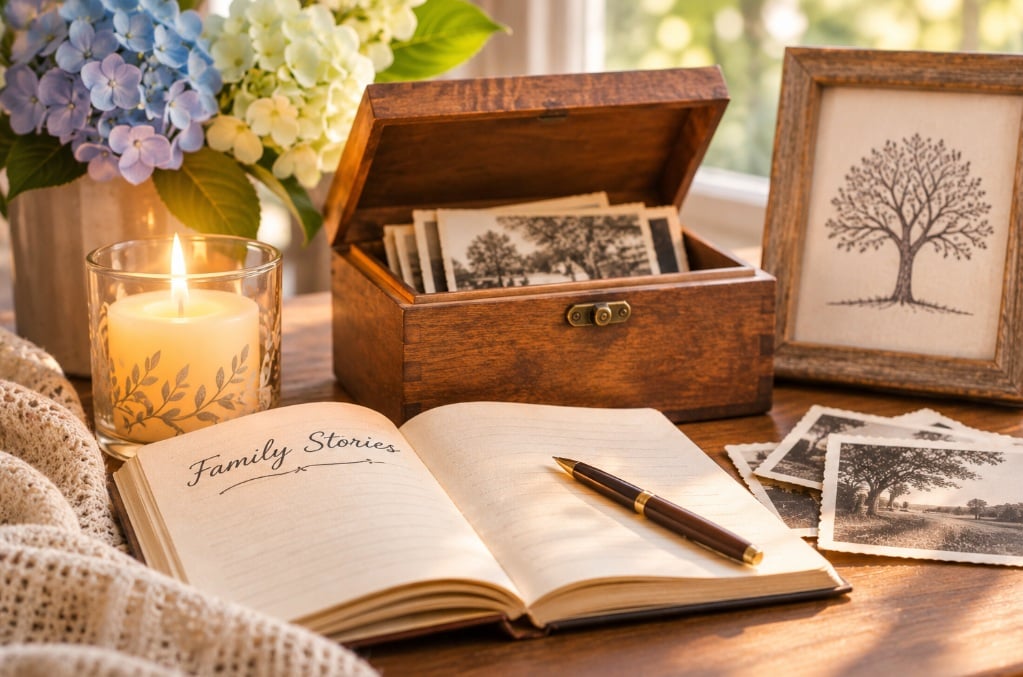
A family story may begin with a phrase everyone recognizes, yet its details can become less clear as years pass. The relationships behind those stories matter in our conversations with families at Fourtowns Cremation, Inc.. Who was present, why the moment mattered, and what the loved one actually said may be known by only one or two relatives. We believe remembrance can preserve those connections without requiring a family to create a complete account of a person’s life at once. For people arranging DeLand, FL cremations, a memorial story collection can remain a personal family project alongside the practical decisions about care.
Gather One Memory at a Time
We recommend asking a specific question rather than requesting every memory someone has. A prompt about a shared meal, a journey, or a time the loved one offered help gives the contributor a manageable starting point. Some relatives may prefer to write, while others will speak more comfortably during a conversation. The place of family stories and personal keepsakes in cremation remembrance is often strongest when the memory keeps the contributor’s natural voice instead of being polished into a formal speech.
A short recollection can be valuable even when it does not describe a milestone. It might preserve the way the person welcomed guests or the words they used when someone needed encouragement. We suggest keeping those details rather than replacing them with broad praise. A younger relative may understand the loved one more clearly through a specific scene than through a list of admirable qualities. The story gives those qualities a recognizable place in ordinary life.
Keep the Practical Arrangements Distinct
We help families understand cremation care while they decide how they wish to remember their loved one. Our cremation safeguards for identification and documented personal care explain the provider’s attention to identification and records. Those care procedures are separate from a family’s choice to compile memories. A personal story collection does not have to be finished before relatives begin asking questions about arrangements, and it should not create additional pressure during the first days after a death.
Give Each Story Enough Context
Names and dates can help a memory remain understandable beyond the people who already know it. We suggest identifying the storyteller and their relationship to the loved one, with approximate dates clearly described as approximate. If a detail is uncertain, record that uncertainty rather than guessing. The following table offers ways to keep a contribution clear while preserving its personal character.
| Story Element | Helpful Detail | A Question to Ask |
|---|---|---|
| The storyteller | Name and relationship | Who remembers this moment? |
| The setting | Place or everyday activity | Where were you together? |
| The timing | A year or life stage | When did this probably happen? |
| The personal detail | A phrase, gesture, or action | What made the moment recognizable? |
| The sharing preference | Permission and preferred audience | May the family retain or share it? |
We do not expect every story to include all of those details. A memory may be incomplete and still hold meaning. The aim is to avoid losing useful context that is available now, not to turn a family conversation into an interview with rigid requirements. If someone becomes tired or emotional, the collection can pause. A later contribution is just as welcome as one gathered during the first planning conversation.
Select a Format the Family Can Maintain
A small printed collection may suit relatives who prefer reading together, while a private digital folder can make contributions accessible to people who live farther away. We encourage choosing a format that someone in the family can actually maintain. The person collecting memories should not be left with an ongoing responsibility they did not agree to accept. A manageable collection of a few meaningful stories may be more useful than a large archive with unclear organization.
File names and simple descriptions can help keep digital contributions recognizable. We suggest using the contributor’s name and the story’s subject rather than an unexplained number. A photograph should have a caption that identifies the people when their names are known. If the family keeps a recording, note who is speaking and ask permission before sharing it. These small steps preserve understanding without requiring technical expertise or a complicated system.
A Respectful Collection Checklist
- Ask for one specific memory instead of a complete life account.
- Keep the contributor’s wording when it conveys their relationship clearly.
- Identify uncertain dates or details without presenting them as confirmed.
- Obtain permission before sharing a recording or personal photograph.
- Keep one organized copy with a family member who agrees to maintain it.
Leave Space for More Than One Perspective
Different relatives may remember the same event differently. We suggest preserving their separate perspectives when appropriate rather than treating every difference as a problem that must be settled. One person may recall a humorous moment, while another remembers an act of kindness that happened earlier that day. Those accounts can reveal different relationships with the same loved one. Private or sensitive information should still be reviewed carefully before it becomes part of a shared collection.
We also encourage families to invite contributions without making silence feel like a failure. Someone may need more time or may prefer to keep a particular memory private. A memorial can welcome that choice while leaving the invitation open. Remembrance continues beyond the first gathering, and a story added later can become an important part of what the family preserves.
Thoughtful records help personal stories remain connected to real people and relationships. Families arranging DeLand, FL cremations can consider those projects at a pace that feels manageable while receiving clear assistance with care arrangements. Fourtowns Cremation, Inc. welcomes you to begin discussing cremation services with our caring team or call (386) 774-8055 for support with the next steps.
